
How Weather in Illinois Impacts Your Home and What to Watch For
What’s the weather out today?
In Chicagoland, it could be just about anything, depending on the season.
More than causing an “audible” in your daily plans, the variable weather conditions present some unique challenges for your home. This is especially true for key areas of the exterior that are directly exposed to the elements.
At Bee Sure Home Inspection Services, we take pride in being a trusted resource for homeowners in the Northern Illinois region. Keep reading as we walk you through some of the seasonal extremes to watch for in Illinois and how to protect your home from weather-related damage.
Seasonal Extremes to Watch for in Illinois and How They Affect Your Home
If you’ve lived in Northern Illinois long, you already know. Even if you haven’t, you already know.
The area gets it all when it comes to weather.
Among the myriad conditions to prepare for include:
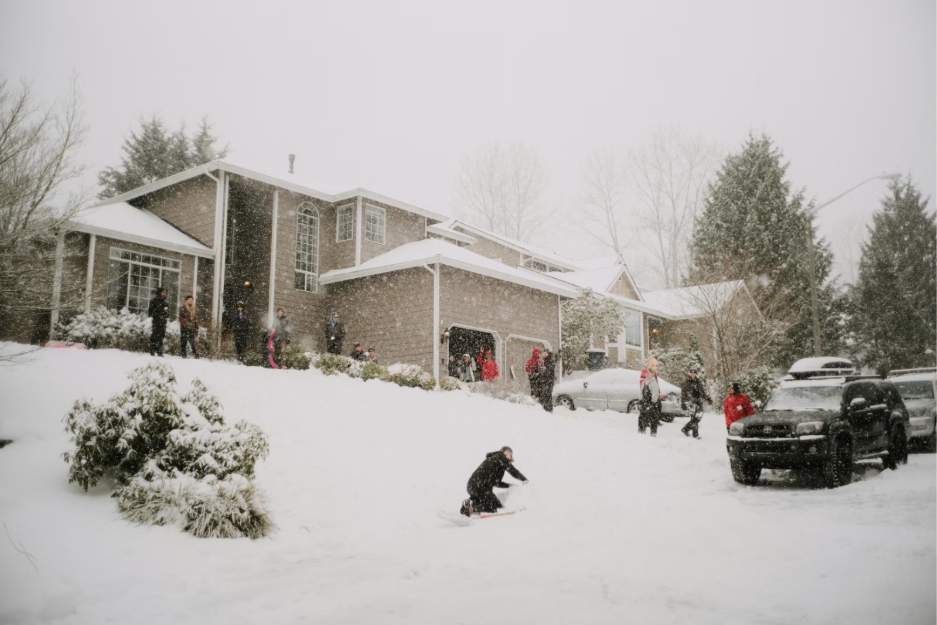
- Heavy snow – Will add significant weight to the roof. Potential for leaks and structural damage if not properly mitigated.
- Freezing and thawing – Freeze. Melt. Freeze. Melt. This cycle can crack hardscaping. It can lead to water seepage that causes additional damage.
- Summer humidity – A breeding ground for mold and mildew growth. Especially on siding and decks. This affects both appearance and air quality.
- Strong winds – The Windy City. Not always such a beloved moniker for homeowners in the area. It can loosen roofing shingles and crack windows.
- Thunderstorms – Flooding. Leakage. Electrical damage. All are in play when those afternoon thunderstorms show up in spring and summer.
If this weren’t enough, triple-digit heatwaves and the occasional tornado are other weather events Illinois residents can’t discount.
Key Structural Areas to Fortify Ahead of Seasonal Weather
You know what Illinois homes are up against. Let’s look at some key structural areas to reinforce ahead of seasonal weather events.
Roofing
Illinois weather can be brutal on roofs. Point blank.
Heavy snow in winter. Strong winds in spring. Intense humidity throughout the summer. They all have their not-so-special way of taking their toll.
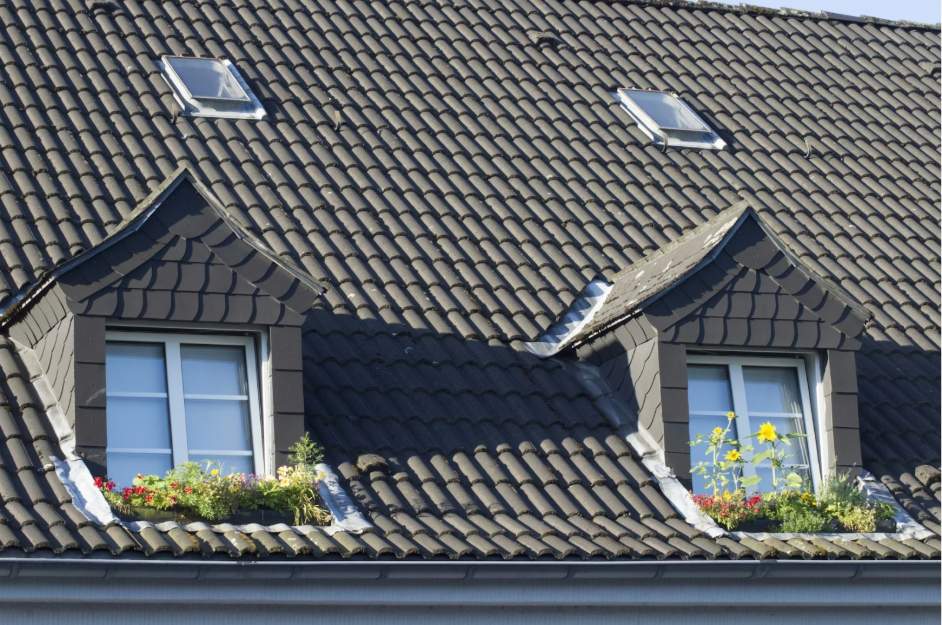
Homeowners in the region should regularly inspect their roof. Loose and curling asphalt shingles are a red flag. Keep a cedar shake roof clear of debris and use a preventative treatment for moisture resistance. Clear gutters of leaves and ice dams to eradicate the threat of backflow damaging the substrate.
Siding
If Illinois is brutal on roof’s, it’s no friend to cladding.
Moisture can seep into cracks. This will cause wood plank siding to warp and rot over time. It is recommended to use a high-quality paint remover to strip cracking paint and apply a fresh coat every 5 years or so. This ensures optimal performance of
timber-based siding options.
If the cladding is past the point where fresh paint can help, it could be time for an upgrade. Vinyl is a popular, economical choice. It does offer solid protection against a variety of weather conditions but can become brittle in the face of extreme cold or incessant UV exposure. For a more robust building envelope, some homes prefer the durability of fiber cement or steel log siding.
Windows
The stress is real.
At least for the windows.
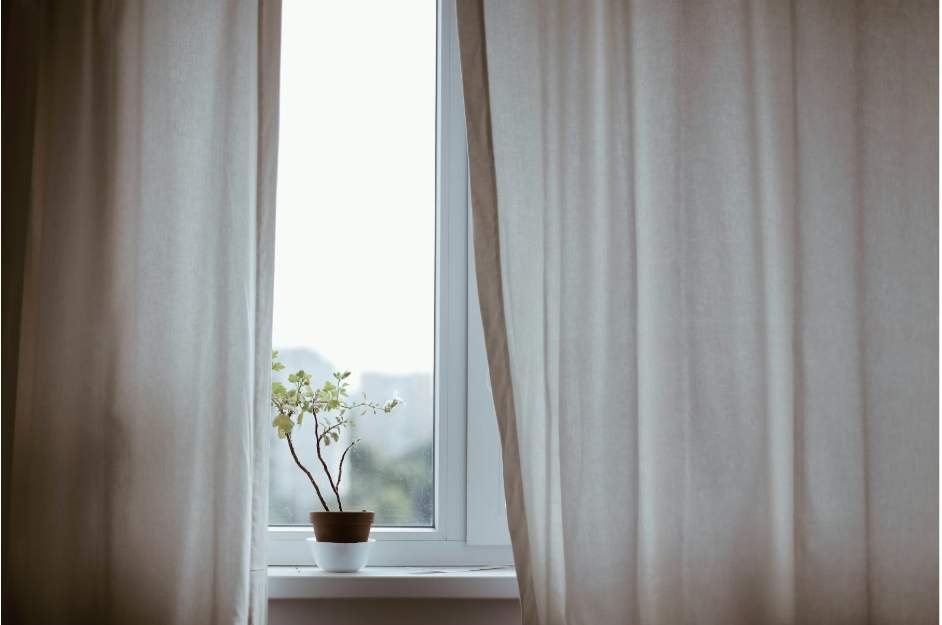
The seasonal fluctuations of Northern Illinois commonly lead to seal failure. This will cause drafts that increase heating and cooling costs. Small moisture infiltration can open the door for insidious mold and rot concerns within the building envelope.
In addition to these “small” issues, heavy winds and violent storms can damage window frames and break glass. Especially in older homes with single-paned windows.
Sometimes a basic seal job isn’t enough. Consider upgrading to more robust double-paned windows with steel or aluminum frames.
Foundation
Illinois’ seasonal temperature swings can cause the soil around your foundation to expand and contract. This will lead to cracks and shifting over time. Heavy rain or melting snow is a threat to pool around the foundation. This increases the risk of water intrusion and basement flooding. Regularly check for cracks. Ensure proper drainage. Maintain gutters. This type of homeowners “due diligence” can help protect your home’s foundation from long-term damage.
Driveway
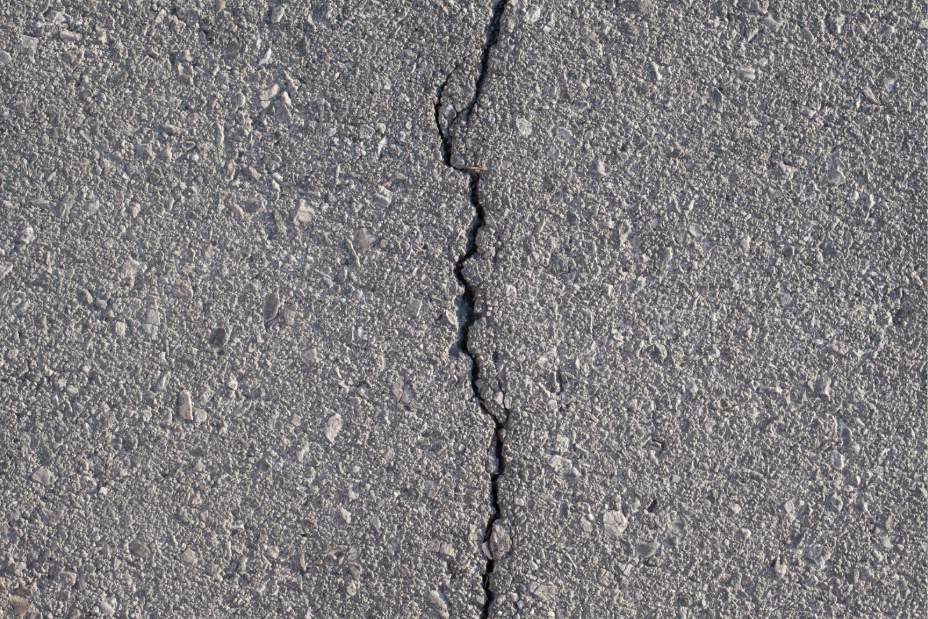
A cracked driveway.
Who in the area hasn’t had one?
Water seeps into the small gaps of porous concrete and asphalt surfaces, leading to damage during the freeze/thaw cycle. This damage only expands over time. Especially when introduced to salt and de-icing chemicals.
An option better equipped to handle these seasonal extremes is permeable gravel. The system uses a series of durable substrate pavers that hold surface aggregates in place. This eliminates the shifting concerns inherent to traditional driveway gravel. Permeable driveway systems optimize the natural drainage capacity of crushed stone for premium performance and aesthetics in all seasons.
When in Doubt, Call an Inspection Professional Today
The diverse weather of Chicagoland puts homes to the test. This is especially true of key structural areas of the exterior, from roofing to foundation. If you live in the Grayslake area and are ready to get proactive with your seasonal weather protection, contact Bee Sure Home Inspection Services for a consultation today!


Leave a Reply
Want to join the discussion?Feel free to contribute!