
Cracked Grout or a Hidden Leak? What Tile and Stone Reveal During a Home Inspection
Tile looks permanent, so buyers tend to treat it as a finish rather than a system. That is a mistake. A floor or shower is a stack of layers, and the surface only shows part of the story. Cracked grout, a loose tile or a faint stain can be cosmetic. It can also be the only visible sign of water damage behind the wall.
Knowing the difference helps buyers ask better questions and helps sellers fix the right things. Here is what tile and stone can tell an inspector, and where those clues stop.
What Cracked Grout Usually Means
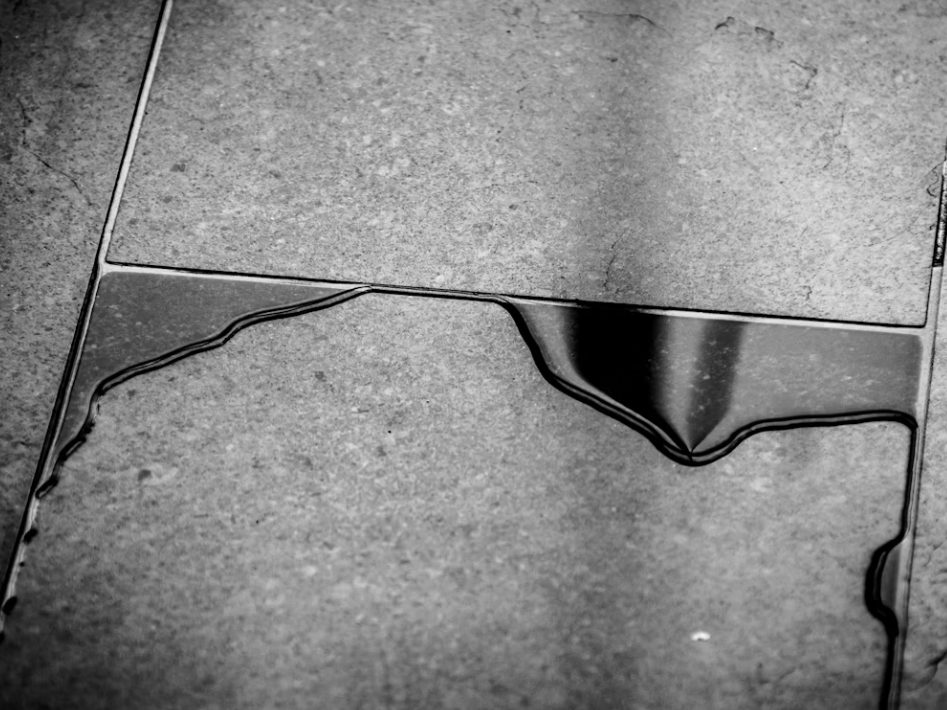
Most cracked grout is a movement problem, not a water problem. Tile, grout, mortar and framing all expand and contract at different rates. The tile industry handles this with movement joints, which are flexible sealant joints placed instead of grout.
The Tile Council of North America treats these joints as required, not optional. They belong at the edges of a floor and at inside corners. That includes every spot where a wall meets another wall or the floor. When an installer grouts those spots instead, the grout dries hard and cracks as the house moves. A TileLetter technical column shows exactly this failure at an inside corner.
So a crack running along a corner or the edge of a room often points to a missing joint. A crack that runs straight across a floor is different. It can follow movement in the subfloor or slab below, and it deserves a closer look.
Grout and Shower Waterproofing
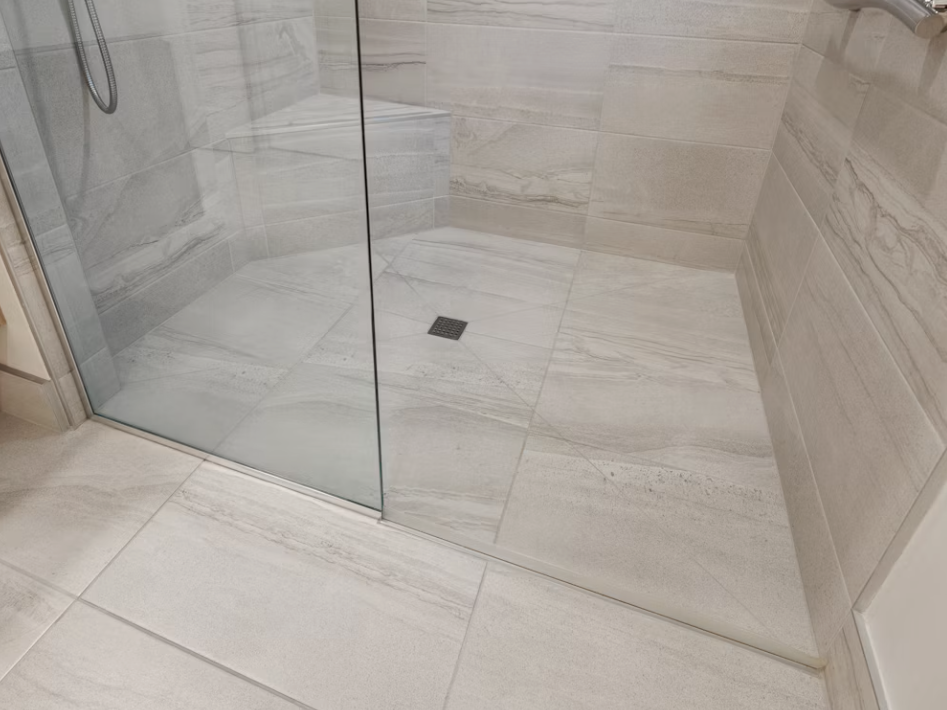
Many homeowners assume grout keeps water out of a shower. It does not. Cement grout is porous, and water passes through it, through many tiles and through most stone. The National Tile Contractors Association makes this point plainly. Showers need a waterproof membrane beneath the tile, and that layer does the real work.
This changes how a cracked grout line in a shower should be read. The crack itself may be minor. The question is whether the membrane behind it is intact. A shower can have perfect grout and a failed pan. It can also have ugly grout and a sound membrane.
Signs of a Hidden Leak Behind Tile
Inspectors look past the tile to the rooms around it. Staining on the ceiling below a bathroom is the classic sign. So is soft or swollen trim at the base of a shower wall. Loose baseboard in the next room, a musty smell and peeling paint near the tub all deserve attention.
On the tile itself, dark grout that stays dark long after a shower suggests moisture is not drying out. White, powdery deposits on grout or stone suggest water is moving through the assembly and leaving minerals behind. Caulk that has been layered over and over at the tub line is another clue. Someone may have been chasing a leak.
Moisture meters and thermal imaging can help confirm a suspicion. A thermal camera shows temperature patterns, and damp areas often read cooler. A meter then checks whether that spot is wet.
Loose and Hollow-Sounding Tiles
Many inspectors tap floor tile with a tool or a knuckle. A hollow sound usually means the tile has lost its bond with the mortar below. A single hollow tile is common and often harmless. A patch of them is more telling.
Widespread hollow spots can mean the mortar never fully covered the back of the tile. They can also mean the floor below is flexing more than the tile can tolerate. In a bathroom, loose tile near the toilet or tub can signal a slow leak. The water may have softened the subfloor.
Stone Countertops in the Kitchen
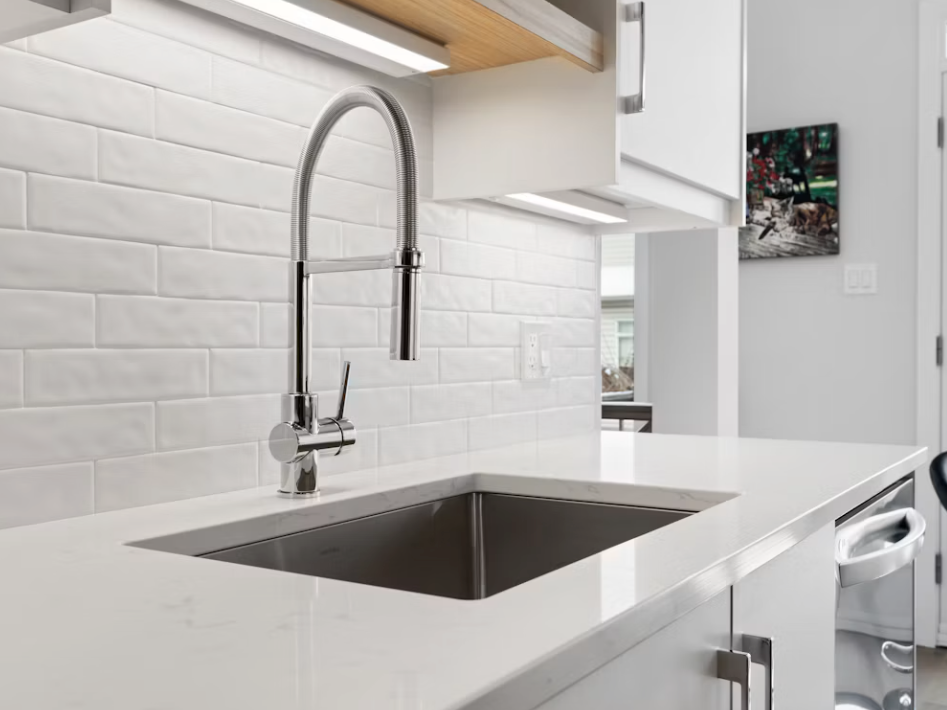
Kitchen counters tell a quieter story. Inspectors are mainly looking at the sink area, the seams and the backsplash joint. Water that sits around a faucet base can stain porous stone or seep into the cabinet below. A cracked seam or a gap at the backsplash gives water an easy path.
Different stones age differently. Granite and quartzite are hard and handle heat and scratches well. Marble is softer and etches when it meets acids such as lemon juice or vinegar. Most natural stone also needs periodic sealing. Buyers weighing natural stone in kitchen remodels should match the stone to how they cook and clean.
Etching and dull spots are surface wear, not structural defects. An inspector may note them, but they rarely change the value of a sale.
Travertine and Other Stone Floors
Travertine is a form of limestone built from layers of calcium carbonate. That gives it a warm, textured look. It also means acidic cleaners and spills can etch the surface, much like marble.
A travertine tile floor shows its condition in a few ways. Open holes in the surface may need filling. Dull, rough patches usually mean the wrong cleaner was used. Cracks that line up across several tiles point back to movement in the subfloor rather than the stone. Staining near a tub or toilet deserves a moisture reading.
None of these rule out travertine as a good floor. They simply show whether it has been installed and cared for properly.
Limits of a Standard Home Inspection
A general home inspection is visual and non-invasive. Inspectors do not pull tile, open walls or cut into a shower. Flooding a shower pan to test for leaks is generally outside the standard scope as well.
That means a clean report on a tiled shower is not a guarantee. It means no visible evidence of a problem was found that day. If an inspector flags staining, high moisture readings or repeated caulk repairs, take it seriously. The next step is usually a specialist, such as a plumber or tile contractor.
Using Tile Findings in a Home Purchase
Cosmetic tile issues are cheap to fix and easy to negotiate. Water damage behind tile is neither. The value of an inspection is in telling the two apart before closing.
From cracked corners to hollow floors, the clues above help buyers read what the surface is saying. For a thorough inspection in Lake County and the surrounding area, contact Bee Sure Home Inspection Services.

Leave a Reply
Want to join the discussion?Feel free to contribute!